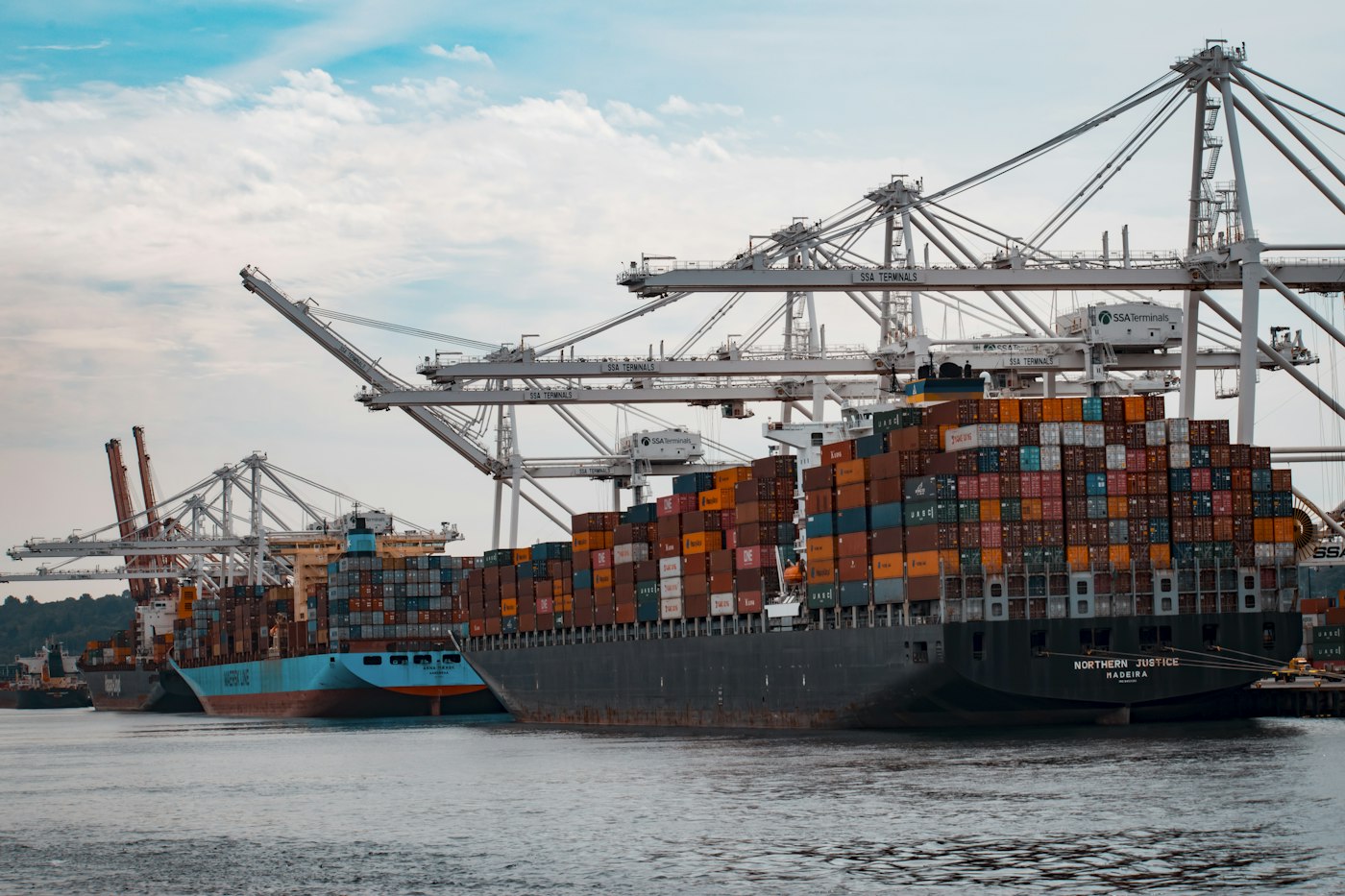
The United Arab Emirates stands as one of the world's most dynamic trade hubs, connecting East and West through a network of world-class ports, airports, and free zones. Whether you are importing raw materials, exporting finished goods, or managing a complex international supply chain, one thing remains absolutely certain — navigating the UAE's customs system without professional help is both time-consuming and risky.
This is where a clearing agent becomes not just useful, but essential. In this guide, we walk you through everything you need to know about customs clearance in the UAE — what a clearing agent is, what they actually do, why Jebel Ali is in a league of its own, and how to choose the right customs clearance partner for your business.
What Exactly is a Clearing Agent?
At its core, a clearing agent is a licensed professional or entity that acts as an intermediary between the trader (importer or exporter) and the government customs authorities. Their primary goal is to ensure that goods entering or leaving the country comply with all legal requirements, taxes are paid, and the cargo is released for transport as quickly as possible.
Everything a Clearing Agent Does in UAE
Many businesses underestimate the scope of what a clearing agent actually handles. It goes far beyond simply "filling out paperwork." Here is a detailed breakdown of all the services and responsibilities a professional clearing agent manages:
Pre-Arrival Documentation Review
Before your shipment even reaches UAE soil, a good clearing agent begins their work — reviewing all shipping documents in advance to identify any discrepancies or missing information. This includes:
- Commercial Invoice — accurately reflecting the value, quantity, and description of goods
- Bill of Lading or Airway Bill — the primary transport document
- Packing List — detailed breakdown of cargo contents and packaging
- Certificate of Origin — to determine applicable customs duty rates
- Insurance Certificate
- Product-specific certificates (health certificates, conformity certificates, lab test reports, etc.)
Catching an error at this stage saves days compared to discovering it at the port.
Customs Registration and HS Code Classification
Every product entering or leaving the UAE must be assigned a Harmonized System (HS) Code — a standardized numerical code that classifies goods for customs purposes. The correct HS code determines the applicable customs duty rate, whether goods are restricted or prohibited, and which government approvals are required before release.
Misclassification of goods is one of the most common and costly mistakes importers make. An experienced clearing agent has deep knowledge of HS code classification and ensures your goods are categorized correctly from the outset.
Customs Duty Calculation and Payment
The UAE applies a standard customs duty rate of 5% on the CIF value (Cost + Insurance + Freight) for most goods. However, certain categories are subject to different rates:
| Category | Duty Rate |
|---|---|
| Standard goods | 5% of CIF value |
| Tobacco and alcohol products | Up to 100% |
| Excise goods | Subject to UAE Excise Tax |
| GCC-origin goods | Preferential / exempt |
| Free Trade Agreement goods | Bilateral rates apply |
A clearing agent calculates the correct duty payable, prepares the customs declaration, and processes payment through the UAE customs system (such as the Dubai Trade portal or Abu Dhabi Customs system). They also advise on any available duty exemptions or suspensions your business may qualify for.
Customs Declaration Filing (Bill of Entry)
One of the core responsibilities of a clearing agent is filing the customs declaration — commonly known as a Bill of Entry — electronically through official customs platforms. The declaration must accurately capture the description and HS classification of goods, country of origin, declared customs value, importer and exporter details, port of entry, and all supporting document references.
Any inaccuracy in the customs declaration can trigger an examination, delay, or penalty. Clearing agents ensure declarations are complete and accurate before submission.
Coordinating with Government Agencies for Special Approvals
Many product categories require approvals from UAE government ministries before customs release. A clearing agent coordinates with these agencies on your behalf:
- Dubai Municipality / ADAFSA — for food products, cosmetics, and chemicals
- Ministry of Health and Prevention (MOHAP) — for pharmaceuticals and medical devices
- TDRA — for electronic and telecom products
- ESMA — for products requiring UAE conformity mark (ECAS)
- Ministry of Interior — for security-related equipment
Physical Examination Coordination
Customs authorities in the UAE conduct physical inspections on a percentage of shipments — either on a random basis or when a shipment is flagged. A clearing agent receives the examination notification, arranges for goods to be made available for inspection, coordinates with port authorities, ensures all documents are on hand during inspection, and addresses any discrepancies raised by customs officers. Without a clearing agent on site to manage this process, delays can stretch into days or even weeks.
Warehousing and Storage Coordination
When cargo arrives at the port before customs clearance is complete, it must be stored in a customs-bonded warehouse. Clearing agents coordinate storage arrangements and ensure demurrage (excess storage fees) is minimized by working quickly to complete the clearance process.
Payment of Port and Terminal Charges
Beyond customs duties, shipments incur a range of port charges — terminal handling fees, container scanning fees, documentation fees, and inspection fees. Clearing agents manage and process all of these charges, providing importers with a consolidated invoice for transparency.
Cargo Release and Delivery Coordination
Once customs clearance is granted, the clearing agent obtains the customs release order, coordinates with the shipping line or airline agent, arranges gate passes for cargo collection, and coordinates with trucking and transportation companies for inland delivery to the importer's warehouse or free zone facility. This end-to-end coordination means importers can focus on their business rather than chasing multiple logistics parties.
Re-Export and Transit Clearance
The UAE is a major transit and re-export hub. Clearing agents handle transit declarations for goods passing through UAE to a third country, re-export documentation for goods being sent abroad after importing, and temporary admission for goods entering UAE for exhibitions, events, or repair.
Free Zone Customs Procedures
The UAE has over 40 free zones, each with its own authority and customs procedures. Clearing agents are well-versed in moving goods from the UAE mainland into free zones, from free zones to the mainland, inter-free zone transfers, and JAFZA-specific clearance procedures.
Compliance Advisory and Record Keeping
Beyond transactional services, professional clearing agents serve as compliance advisors — keeping clients updated on regulatory changes, advising on documentation requirements for new product categories, maintaining records of all customs declarations for audit purposes, and assisting during post-clearance audits by UAE customs authorities.
Customs Clearance in Jebel Ali
Why Jebel Ali Is in a League of Its Own
Jebel Ali Port is the largest port in the Middle East and one of the ten busiest container ports in the world. It processes millions of TEUs annually and serves as the primary gateway for goods entering the entire Gulf region. Businesses operating through Jebel Ali require fast and accurate customs processing to avoid delays, penalties, and operational disruptions.
At Zahrat Al Maddien, we specialize in customs clearance in Jebel Ali, helping importers, exporters, traders, and logistics companies manage their cargo movement with confidence. Our team understands the specific customs procedures for:
- Jebel Ali Port sea freight shipments
- JAFZA (Jebel Ali Free Zone) cargo handling
- Import and export documentation via Dubai Trade
- Customs inspections and regulatory approvals
- Container terminal charges and demurrage management
Why Customs Clearance in UAE Is Different
The UAE has one of the most sophisticated and high-volume customs environments in the world, processing millions of shipments annually through Jebel Ali Port, Dubai International Airport, Khalifa Port in Abu Dhabi, Sharjah International Airport, and various land border crossings.
What makes the UAE particularly complex is the layered regulatory environment. Importers must comply with UAE Federal Customs Authority regulations, emirate-specific customs rules, free zone authority requirements, Ministry of Economy and sector-specific ministry approvals, and Dubai Municipality and other government body clearances for food, health, and consumer products. Failing to comply with even one layer can result in costly delays.
How to Choose the Right Customs Clearance Agent
With dozens of clearing agents operating across the UAE, choosing the right partner is a critical business decision. Here are the key factors to evaluate:
Valid Customs Authority License
Ensure the agent is licensed and registered with the relevant UAE customs authority — Dubai Customs, Abu Dhabi Customs, or the Federal Customs Authority. Working with an unlicensed agent is both illegal and extremely risky.
Experience and Specialization
Look for proven experience in your specific commodity type and the port or entry point your cargo uses. An agent specializing in Jebel Ali clearance will be far more effective than a generalist.
Strong Government Relationships
The best clearing agents have established relationships with customs officers, port authorities, and government ministry staff — allowing them to resolve issues quickly when they arise.
Technology and Transparency
Choose an agent that provides real-time shipment tracking, digital document management, and clear, itemized invoicing. Transparency is a mark of professionalism.
Comprehensive Service Offering
The most reliable agents offer end-to-end service — from pre-arrival documentation review all the way through to cargo delivery — eliminating the need to coordinate between multiple providers.
Proven Track Record
Ask for client references, industry affiliations, and testimonials. A reputable clearing agent will have a strong portfolio of satisfied clients across multiple industry sectors.
Reliable Customs Clearance – Zahrat Al Maddien
At Zahrat Al Maddien, we provide professional and efficient customs clearance services across the UAE, helping businesses move cargo smoothly through ports, airports, and free zones. Whether you are importing commercial goods, exporting products, or managing shipments through Jebel Ali Port, our experienced team ensures your cargo clears customs quickly and without unnecessary delays.
Our customs clearance services include import and export clearance, Jebel Ali customs processing, Dubai Trade documentation support, customs declaration processing, shipment documentation verification, transit and transfer clearance, free zone customs procedures, and cargo coordination from clearance through to final delivery.
Industries We Support
Zahrat Al Maddien provides customs clearance solutions for businesses across a wide range of industries:
Our goal is to simplify customs procedures and help businesses maintain smooth import and export operations in the UAE.
Ready to Move Your Cargo Smoothly?
Contact us today to discuss your shipment and customs clearance needs in Dubai, Jebel Ali, and across the UAE.
Start on WhatsApp — +971 52 594 1497